6 Common Eyelid Concerns Treated with Blepharoplasty
Few features can define your overall aesthetic quite as powerfully as the eyes. They reflect your energy and inner vitality, and often, the eyes are the first thing people notice about you. When drooping eyelids, under-eye bags, or other eyelid concerns develop, you need a precise and permanent solution.
Our team at AesthetiCare understands that eyelid issues go well beyond cosmetics. Thankfully, blepharoplasty can address a wide range of functional and aesthetic issues to restore your youthful look, your confidence, and in some cases, a full field of vision. But how can you know if blepharoplasty is right for you? Let’s explore some of the most common eyelid concerns treated by this procedure.
Excess Upper Eyelid Skin and Hooding
Loss of skin elasticity is a natural part of the aging process, but that doesn’t mean you can’t be prepared for it. With age, the skin around the eyelids begins to sag, creating a hooded appearance that can make the eyes look smaller and the face appear older and more tired than you feel. This excess tissue often folds over the natural eyelid crease, sometimes even hanging down far enough to obstruct peripheral vision.
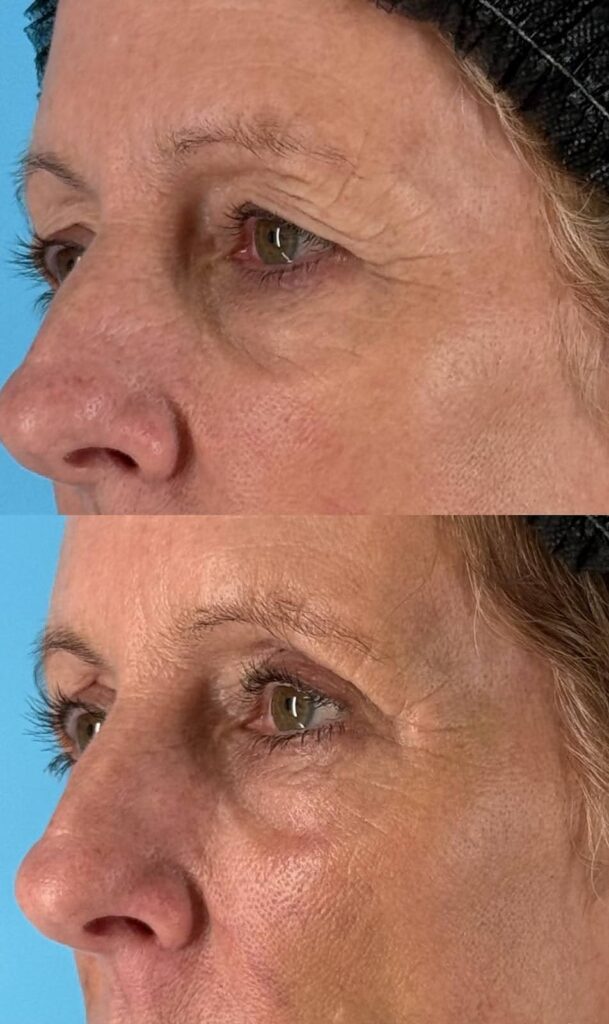
Why It’s a Problem: Aesthetically speaking, hooded eyelids convey a tired or disinterested appearance, which has negative effects on both personal and professional relationships. In more severe cases, drooping skin can obstruct your field of vision, make it more difficult to apply makeup, and cause discomfort.
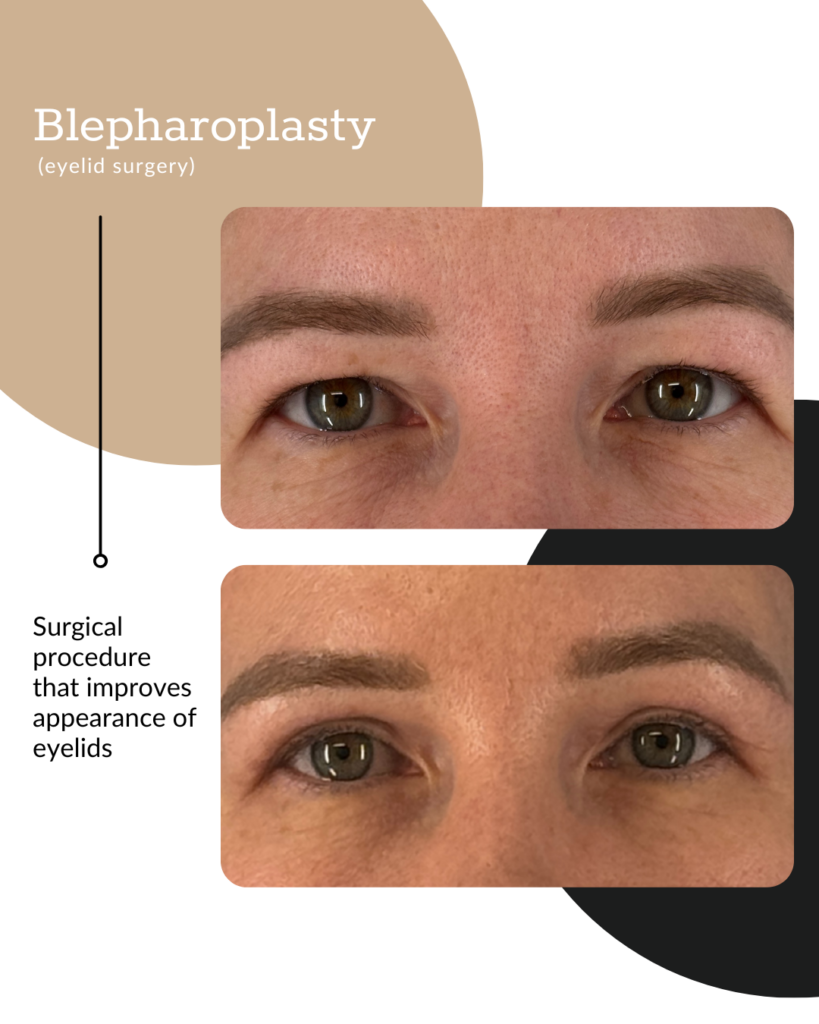
How Blepharoplasty Helps: Upper eyelid blepharoplasty removes the excess skin and, when applicable, a portion of the underlying muscle through a precise incision made along the natural eyelid crease to minimize visible scarring. The procedure lifts and tightens the upper eyelid area, opening up the eyes and restoring a more alert, youthful appearance. Combining blepharoplasty with a brow lift when indicated makes for an even more dramatic improvement.
Under-Eye Bags and Puffiness
Universally disliked for good reason, nobody wants to see under-eye bags staring back at them in the mirror. You tried improving your stress levels and getting more sleep. You tried this cream and that treatment. But when nothing else works, it’s likely because the fat pads that normally support the under-eye area begin to protrude through weakened tissue.
Why It’s a Problem: Under-eye bags cast shadows that can make dark circles appear worse and create a sunken, hollow look that ages the entire face. Many patients report feeling self-conscious about looking tired or unhealthy, even when they feel energetic and well-rested.
How Blepharoplasty Helps: Lower eyelid blepharoplasty addresses under-eye bags by repositioning or removing excess fat deposits for a smoother, more refreshed look. Depending on your specific presentation, the surgeon may use a transconjunctival approach (incision inside the lower eyelid) if only fat removal is needed, or an external incision just below the lash line if excess skin also requires removal.
Wrinkles and Fine Lines Around the Eyes
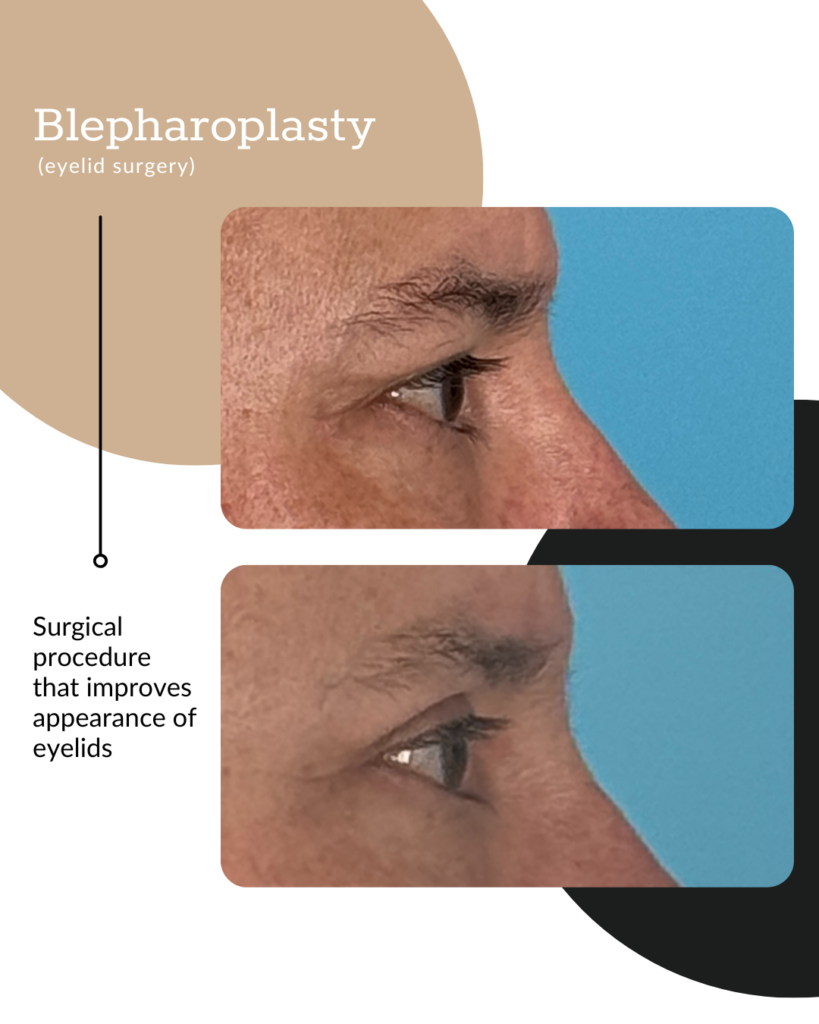
While crow’s feet and fine lines around the eyes are natural parts of aging that some people choose to embrace, they can sometimes become pronounced enough to seriously compromise your entire aesthetic.
Why It’s a Problem: Deep wrinkles around the eyes can make you appear older, more stressed or even stern. They often worsen when excess eyelid skin compounds the issue, creating layers of creases that become increasingly visible.
How Blepharoplasty Helps: When performed in conjunction with skin tightening, blepharoplasty smooths the area around the eyes by removing excess skin and redistributing remaining tissue. The overall tightening effect significantly reduces the appearance of lines and creates a more refined eye contour. Many patients combine blepharoplasty with other treatments for more well-rounded results.
Asymmetrical Eyelids
This non-aging-related issue can stem from genetics, injuries and other factors. In some cases, eyelid asymmetry can worsen as your facial features vary over time.
Why It’s a Problem: Eyelid asymmetry can affect facial balance and harmony, sometimes making one eye appear smaller. You may notice yourself always turning to your “good side” in photographs. How Blepharoplasty Helps: Blepharoplasty can be customized to address asymmetry by removing different amounts of tissue from each eyelid as needed. The surgeon carefully evaluates both eyes and creates a personalized surgical plan to achieve better balance and symmetry.
Skin Laxity and Crepey Texture
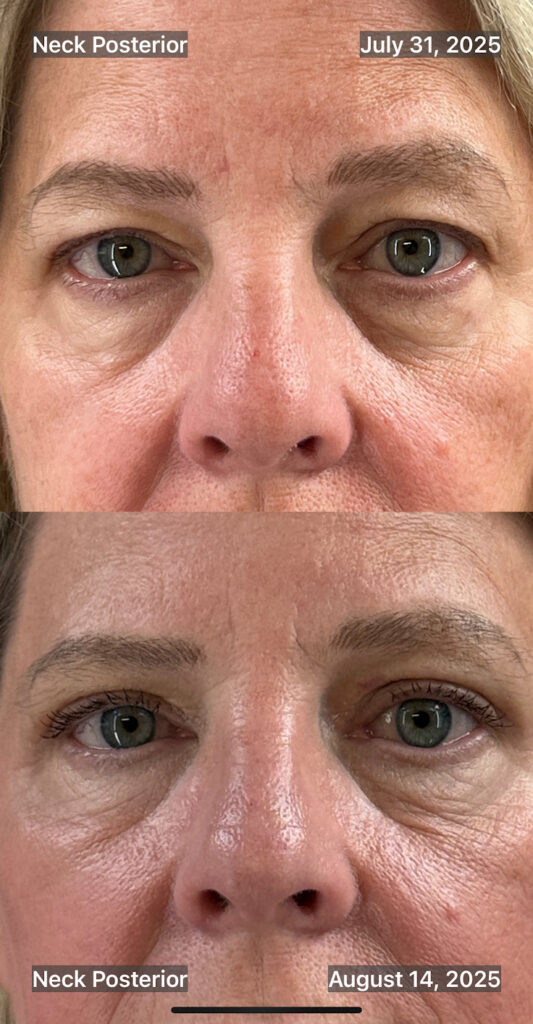
The thin, delicate skin around the eyes is particularly susceptible to developing a crepey, tissue-paper-like texture. This texture develops as collagen and elastin fibers break down, leaving the skin fragile, wrinkled and prone to sagging.
Why It’s a Problem: Crepey eyelid skin not only looks aged but can also be difficult to conceal with makeup. The texture often becomes more pronounced with makeup application, settling into fine lines and emphasizing rather than hiding the concern.
How Blepharoplasty Helps: By removing excess skin with poor texture and tightening the remaining tissue, blepharoplasty creates a smoother, more taut appearance. The procedure essentially “resets” the eyelid area, providing a fresh canvas that responds better to skincare and cosmetics.
Dark Circles and Shadowing
When fat pads protrude or skin sags, they create shadows that intensify the appearance of dark circles. While blepharoplasty doesn’t directly treat pigmentation-related dark circles, it can significantly improve the shadows created by structural issues around the eyes.
Why It’s a Problem: The combination of protruding fat bags and hollow areas creates a tired, aged appearance that’s difficult to correct with concealer alone. These structural shadows can make you look exhausted, no matter how well-rested you are.
How Blepharoplasty Helps: By repositioning fat pads and removing excess skin, blepharoplasty reduces the shadows caused by structural changes. The smoother contour reflects light more evenly, diminishing the appearance of darkness and creating a more refreshed look.
Aftercare and Maintaining Your Results
While every patient comes to us with unique concerns and a unique story, nobody is exempt from the need to practice consistent aftercare. In the days immediately following your procedure, expect some swelling and bruising around the eyes. Keeping your head elevated, applying cold compresses gently and avoiding strenuous activities will support the healing process.
Most patients return to work and normal activities within seven to ten days, though complete healing takes several months as tissues settle and scars fade. The results of blepharoplasty are long-lasting, typically persisting for ten to twenty years or longer. Protecting your skin from sun damage, maintaining a quality skincare routine and avoiding smoking will help preserve your rejuvenated appearance for years to come.
Your Path to Brighter, More Youthful Eyes
At AesthetiCare, we take a personalized approach to every blepharoplasty consultation. We’ll evaluate your unique anatomy, discuss your specific concerns and create a customized surgical plan designed to achieve natural-looking results that enhance your overall appearance.
Ready to say goodbye to tired-looking eyes and hello to a more refreshed, youthful you? Contact AesthetiCare today at (816) 326-7207 or visit our website to schedule your personalized blepharoplasty consultation. Your journey to brighter, more vibrant eyes starts here.